32 Cards by Ezugi



I tried 32 Cards from Ezugi and found it refreshingly simple. The stripped deck and four fixed positions create a fast, no nonsense round that finishes in seconds. What stood out was the transparent scoring: each position has a base number, one card is dealt, and the totals speak for themselves. The lack of side bets might put off players who enjoy complexity, but the clean risk and reward trade off across positions kept me engaged. It feels tailor made for quick sessions on a phone.
32 Cards Live Casino Game from Ezugi Review in India
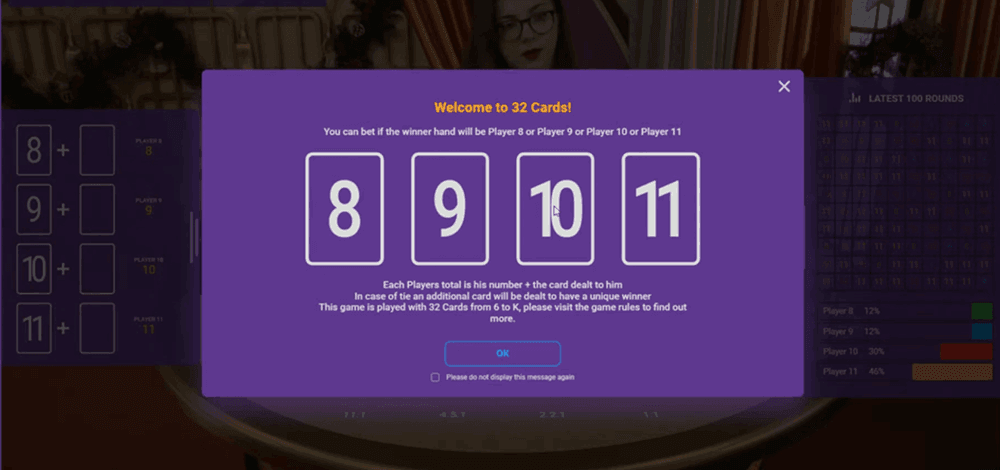
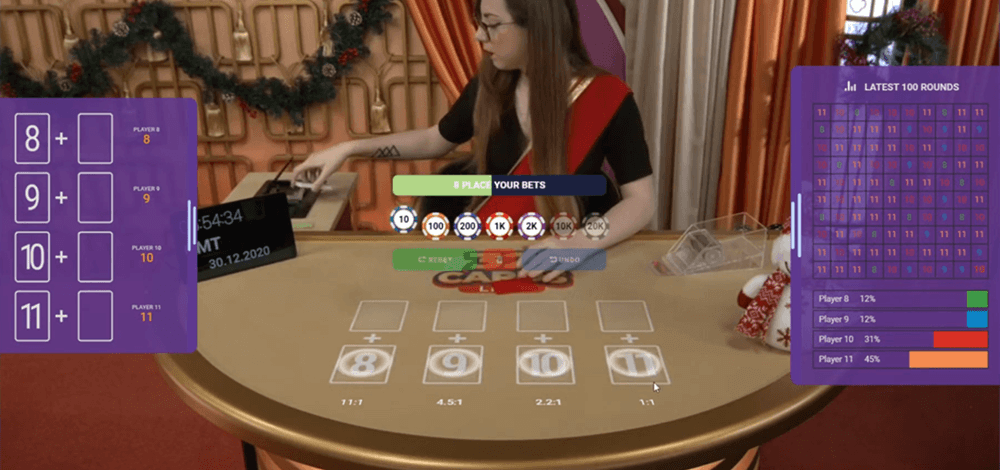
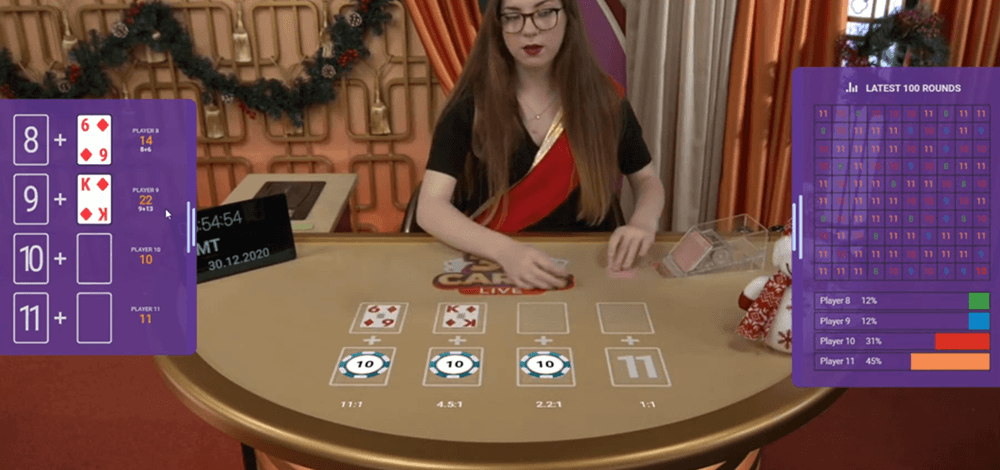
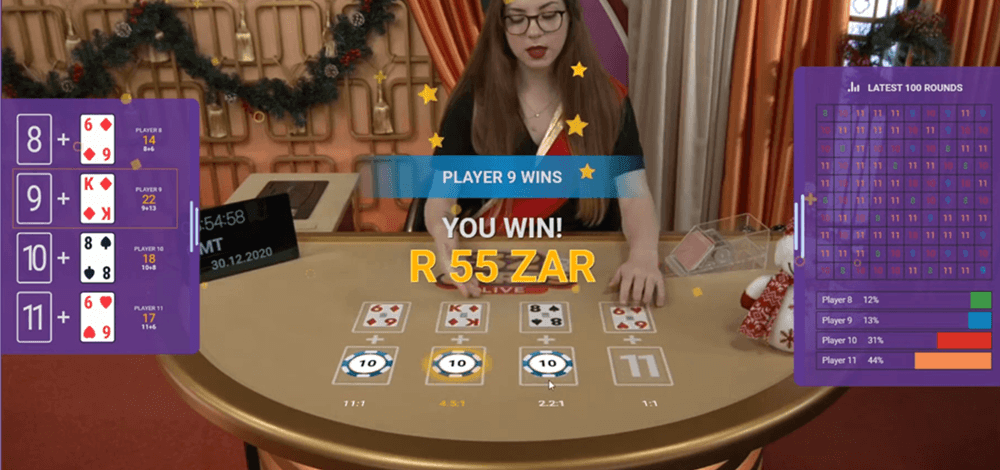
32 Cards is Ezugi's live dealer card game built for an Asian audience. The game uses a shortened deck of 32 cards, with all Aces, Twos, Threes, Fours, and Fives removed. Four betting positions appear on the table, each receiving a single card, and the position with the highest total claims the round.
How to Start Playing 32 Cards (Ezugi) for Real Money
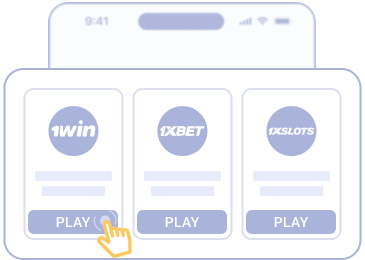
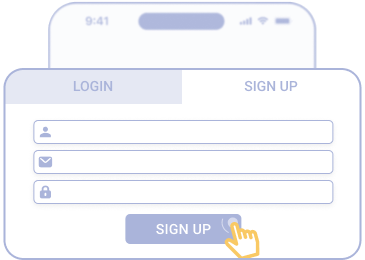
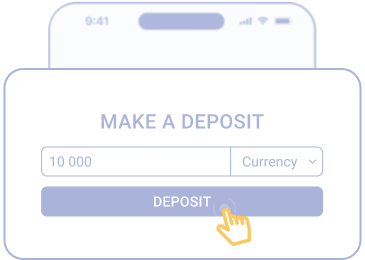
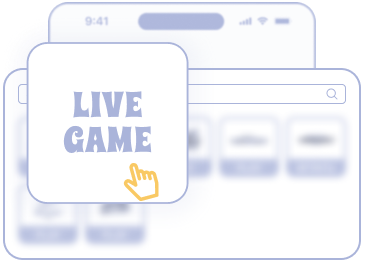
32 Cards from Ezugi Gameplay
The rules of 32 Cards from Ezugi are straightforward enough that new players can follow along within a single round. Below is a step by step breakdown of how each hand unfolds.




All card draws happen in real time under the supervision of a live dealer, and outcomes rely on the natural randomness of a physical deck. Players can observe every action the dealer performs, which adds a layer of trust to each round.
32 Cards (Ezugi) Features
Understanding the core features of 32 Cards from Ezugi helps players in India know exactly what to expect before placing a wager. Here is a closer look at what sets this game apart.



 English (India)
-
![]() English (Canada)
English (Canada)
-
![]() English (New Zealand)
English (New Zealand)
-
![]() Español (América Latina)
Español (América Latina)
-
![]() Español (México)
Español (México)
-
![]() Español (Chile)
Español (Chile)
-
![]() Español (Perú)
Español (Perú)
-
![]() Español (Argentina)
Español (Argentina)
-
![]() Español (Colombia)
Español (Colombia)
-
![]() Español (Ecuador)
Español (Ecuador)
-
![]() Español (Venezuela)
Español (Venezuela)
-
![]() Español (Costa Rica)
Español (Costa Rica)
-
![]() Español (República Dominicana)
Español (República Dominicana)
-
![]() Polski (Polska)
Polski (Polska)
-
![]() Русский (Россия)
Русский (Россия)
-
![]() Українська (Україна)
Українська (Україна)
-
![]() Deutsch (Deutschland)
Deutsch (Deutschland)
 English (Canada)
 English (New Zealand)
 Español (América Latina)
 Español (México)
 Español (Chile)
 Español (Perú)
 Español (Argentina)
 Español (Colombia)
 Español (Ecuador)
 Español (Venezuela)
 Español (Costa Rica)
 Español (República Dominicana)
 Polski (Polska)
 Русский (Россия)
 Українська (Україна)
 Deutsch (Deutschland)